Consolidated Identifier Trace Report for 4153655091, 960013579, 24276500, 9035937800, 6983983, 965271701

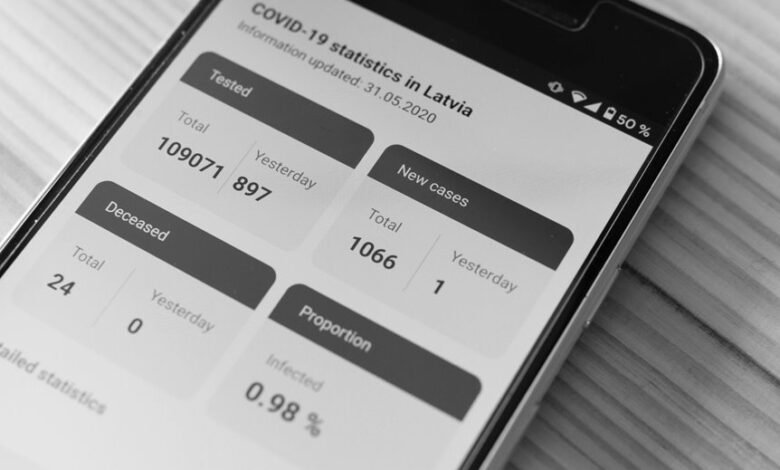
The Consolidated Identifier Trace Report provides a critical examination of several identifiers, emphasizing their role in data management. It highlights the necessity of accurate tracking to ensure data integrity. By evaluating the methodologies employed in data collection, the report uncovers key insights that can significantly impact organizational practices. Understanding these implications may reveal underlying challenges and opportunities that stakeholders must navigate in an increasingly data-driven landscape.
Importance of Identifier Tracking in Data Management
In the realm of data management, the significance of identifier tracking cannot be overstated, as it serves as a cornerstone for effective data governance and integrity.
Identifier verification ensures that data remains accurate and reliable, fostering trust among stakeholders.
Overview of the Consolidated Identifier Trace Report
The Consolidated Identifier Trace Report serves as a vital tool in the landscape of data management, providing a comprehensive overview of identifier usage across various datasets.
It emphasizes identifier validation and tracking accuracy, ensuring that data integrity is maintained.
Methodology for Data Collection and Analysis
A systematic approach underpins the methodology for data collection and analysis within the Consolidated Identifier Trace Report.
Employing diverse collection techniques ensures robust data integrity, crucial for accurate insights. The methodology prioritizes structured processes that encompass both quantitative and qualitative data, facilitating comprehensive analysis.
This meticulous framework enables stakeholders to draw informed conclusions while maintaining transparency and reliability in data handling practices.
Implications for Businesses and Data Security
While the implications for businesses and data security are multifaceted, it is evident that robust data handling practices directly influence organizational resilience and customer trust.
Identifier breaches highlight the necessity for stringent security measures to mitigate compliance risks.
Furthermore, prioritizing data privacy not only safeguards sensitive information but also fosters a culture of accountability, ultimately enhancing the company’s reputation and operational integrity.
Conclusion
In summary, the Consolidated Identifier Trace Report serves as a pivotal tool in ensuring data integrity, reminiscent of the meticulous records kept by ancient scribes. By adhering to rigorous data collection methodologies, organizations can foster trust and transparency among stakeholders. The implications for businesses extend beyond compliance, echoing the age-old adage that “what gets measured gets managed.” Thus, embracing such comprehensive analyses is essential for navigating the complexities of modern data management and fortifying organizational resilience.