
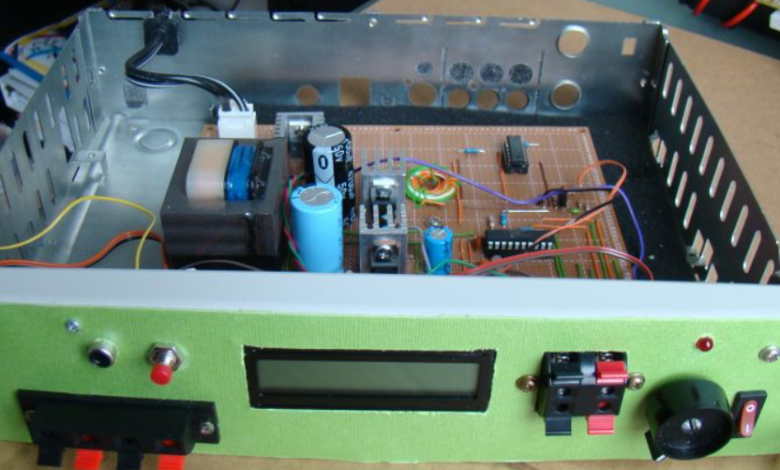
In today’s fast-paced technological world, the efficiency and reliability of electronic devices heavily depend on their power management systems. One critical component that plays a central role in ensuring optimal performance is the embedded power supply. This article will explore what embedded power supplies are, their benefits, applications, and key considerations for choosing the right one.
What is an Embedded Power Supply?
An embedded power supply is a compact power conversion unit that is integrated directly into an electronic system, providing regulated voltage and current to internal components. Unlike traditional external power adapters, embedded power supplies are designed to be part of the device itself, ensuring a seamless and space-efficient power solution.
These power supplies convert incoming electrical energy—typically AC mains or DC input—into the precise voltage levels required by electronic circuits. They are widely used in industrial, medical, communication, and consumer electronics due to their compact size, reliability, and efficiency.
See also: How to Choose the Right Flooring for Your Home
Key Features of Embedded Power Supplies
- Compact Design: Embedded power supplies are designed to fit inside electronic devices, reducing the need for bulky external adapters.
- High Efficiency: Modern embedded power solutions often exceed 90% efficiency, reducing heat generation and energy consumption.
- Reliable Operation: Built to withstand environmental stress such as temperature fluctuations, vibration, and electrical noise.
- Customizable Output: Many embedded power supplies allow for adjustable voltage and current to match specific system requirements.
- Protection Mechanisms: These include overcurrent protection, short-circuit protection, overvoltage protection, and thermal shutdown to ensure safe operation.
Benefits of Using Embedded Power Supplies
Embedded power supplies provide several advantages over traditional external power adapters:
- Space-Saving: Since they are integrated into the system, they help save space, making them ideal for compact and portable devices.
- Enhanced Reliability: With fewer external connections, the risk of loose connections and power interruptions is minimized.
- Improved Thermal Management: Embedded designs can optimize heat dissipation directly within the system enclosure.
- Cost Efficiency: Over time, the integration of power supplies can reduce material and assembly costs.
- Design Flexibility: Engineers can tailor embedded power supplies to specific system needs, optimizing performance and safety.
Applications of Embedded Power Supplies
Embedded power supplies are used across a variety of industries:
- Industrial Automation: Powering PLCs, sensors, and control systems in factories.
- Medical Devices: Ensuring reliable and regulated power for critical diagnostic equipment.
- Telecommunication: Supporting network equipment such as routers, switches, and base stations.
- Consumer Electronics: Found in laptops, smart appliances, and gaming consoles.
- Transportation: Used in automotive electronics, trains, and aircraft systems for reliable power delivery.
How to Choose the Right Embedded Power Supply
When selecting an embedded power supply, consider the following factors:
- Power Requirements: Determine the voltage and current needed for your system.
- Efficiency: Higher efficiency reduces energy consumption and heat generation.
- Thermal Performance: Evaluate how the power supply handles heat in enclosed spaces.
- Size and Form Factor: Ensure it fits within the device dimensions.
- Reliability and Safety: Look for protective features and industry certifications.
- Regulatory Compliance: Ensure the product complies with relevant standards for your region or industry.
Common Challenges
Although embedded power supplies are highly efficient, designers may face challenges such as:
- Heat Dissipation: Compact designs can lead to heat accumulation, requiring effective thermal management.
- Electromagnetic Interference (EMI): Proper shielding and design are necessary to prevent interference with sensitive electronics.
- Limited Upgradability: Unlike external adapters, embedded power supplies are harder to replace or upgrade.
FAQs About Embedded Power Supplies
Q1: What is the difference between embedded and external power supplies?
A: Embedded power supplies are integrated within the device, while external power supplies are separate units that connect via a cable. Embedded designs save space and improve reliability.
Q2: Can embedded power supplies handle varying input voltages?
A: Yes, many embedded power supplies are designed with wide input voltage ranges to accommodate global power standards.
Q3: Are embedded power supplies more expensive than external adapters?
A: While the initial cost may be higher, the long-term benefits in reliability, efficiency, and reduced assembly costs often make them more cost-effective.
Q4: How do embedded power supplies improve device safety?
A: They include protection mechanisms such as overvoltage, overcurrent, and thermal protection, reducing the risk of damage to both the power supply and the device.
Q5: Can embedded power supplies be customized for specific applications?
A: Yes, many manufacturers offer customizable solutions to meet precise voltage, current, and form factor requirements.
Conclusion
The embedded power supply is an essential component in modern electronic devices, offering compactness, reliability, and efficiency. As technology continues to advance, the demand for integrated power solutions will only grow, driving innovation in energy management and device design. Selecting the right embedded power supply requires careful consideration of power needs, efficiency, thermal performance, and safety features. By understanding these factors, engineers and designers can ensure their devices operate safely, efficiently, and reliably.


